If you picture Hampton Bays as a place you only visit in summer, you may be missing what makes it so appealing day to day. Here, waterfront living is not just about a beach pass or a weekend boat ride. It is part of how you move through the week, where you spend time outdoors, and how the hamlet feels in every season. If you are thinking about buying, selling, or simply getting to know the area better, this guide will show you what everyday waterfront living in Hampton Bays really looks like. Let’s dive in.
Waterfront life shapes daily routines
Hampton Bays is a hamlet in the Town of Southampton, and its identity is closely tied to the Shinnecock Canal, Shinnecock Bay, Great Peconic Bay, and the Atlantic shoreline. The town has described Hampton Bays as easy to reach from Route 27, with a train station in the heart of downtown. That combination helps explain why the waterfront feels connected to daily life, not set apart from it.
Town planning documents also describe Hampton Bays as a place where tourism, boating, and local dining overlap with year-round living. In practical terms, that means your routine can include water views, marina activity, beach access, and canal-side stops without feeling like a special occasion. The shoreline is part of the local rhythm.
Beach options fit different moods
One of the clearest benefits of living in Hampton Bays is that you are not limited to one kind of beach experience. You can choose the ocean when you want surf and open shoreline, or head to the bay when you want calmer water and an easier pace. That flexibility adds a lot to everyday life.
Ponquogue Beach brings the ocean close
Ponquogue Beach Pavilion is the best-known oceanfront access point in Hampton Bays. According to the Town of Southampton, the facility offers more than 600 feet of oceanfront and was renovated in 2019. The town also reports that it draws more than 106,000 visitors each summer season.
That level of use says a lot about how central the beach is to local life. It is worth noting that beach permits are required at town beach recreation facilities from May 15 through September 15, which highlights the seasonal structure of ocean-beach access. Even so, having a major beach so close is a meaningful part of the Hampton Bays lifestyle.
Meschutt Beach offers a calmer bay setting
If you prefer still water and a more relaxed shoreline day, Meschutt Beach County Park offers a different experience. Located on Great Peconic Bay east of the Shinnecock Canal, it is a supervised bathing beach with kayak rentals, a windsurfing and sailing area, restrooms, and a food concession.
For many buyers, that variety matters. Some days call for ocean energy, and some call for a quiet paddle or an easy afternoon by the bay. Hampton Bays gives you both within the same hamlet.
Boating is part of the infrastructure
In some waterfront areas, boating feels aspirational. In Hampton Bays, it feels built into the landscape. Public access points, marina facilities, and canal activity all support a lifestyle where getting on the water can be part of an ordinary weekend, or even a weekday evening in the right season.
Old Ponquogue Bridge Marine Park supports access
Old Ponquogue Bridge Marine Park reflects the more practical, active side of local waterfront living. The Town of Southampton describes it as offering a boat launch for boats up to 19 feet, fishing access to deep water from the Shinnecock Inlet, scuba diving, picnic areas, and year-round 24-hour access.
Permits are required only during peak season, which adds some flexibility outside the busiest months. For boaters and anglers, that kind of access helps make the waterfront feel useful, not just scenic.
Marinas reinforce a true boating culture
Suffolk County operates Shinnecock Canal Marina, which includes transient slips, pump-out service, restrooms, showers, and water and electric hookups. Hampton Watercraft’s marina in Hampton Bays adds another layer, with more than 100 dock slips and Canal Cafe overlooking the Shinnecock Canal.
Together, these facilities suggest that boating is part of Hampton Bays’ daily infrastructure. Whether you own a boat, visit friends by water, or simply enjoy the visual energy of a working marina, it adds to the feel of the hamlet in a very real way.
Public spaces keep the waterfront usable
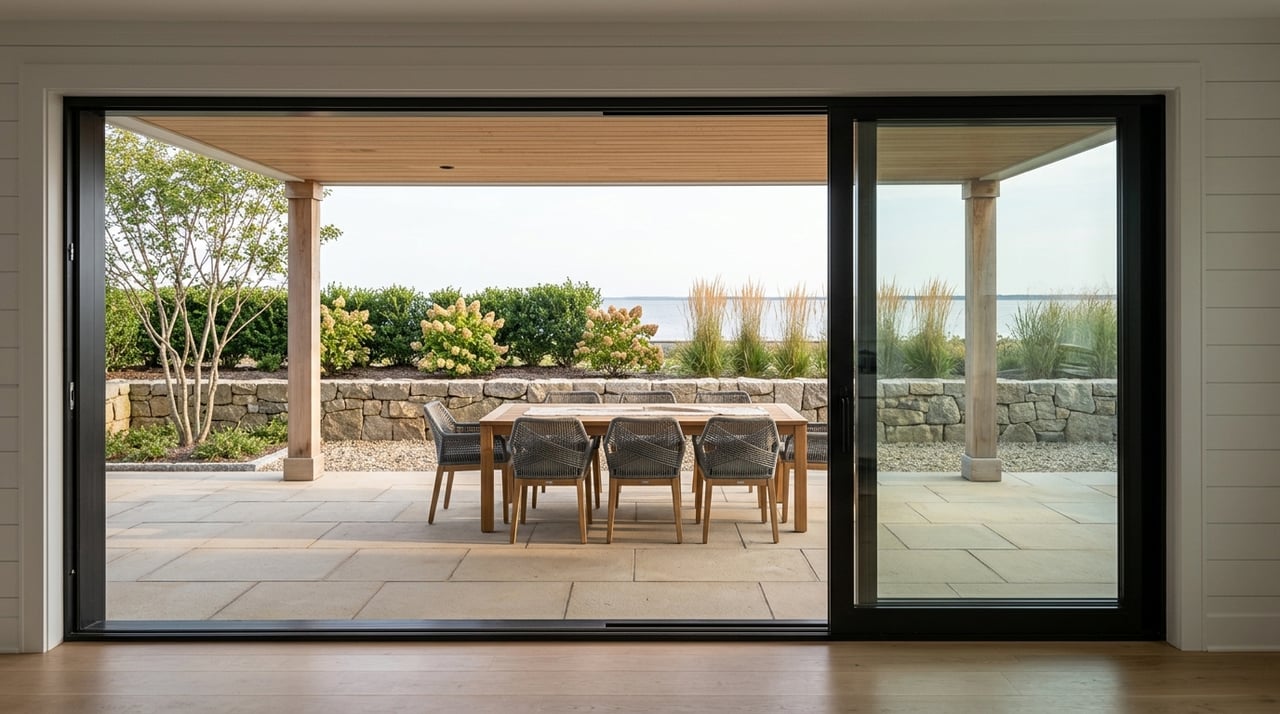
Everyday waterfront living works best when there are places to gather, walk, pause, and enjoy the setting without needing a boat or a private dock. Hampton Bays has several public spaces that help make that possible. They add flexibility to how you experience the area year-round.
Maritime Park adds a canal-side gathering place
Maritime Park, located on the west side of the Shinnecock Canal, offers a newer public space designed for community use. The town notes features such as a covered pavilion, ADA sidewalks, a paved parking area, lighting, site furnishings, plantings, and additional parking.
That may sound simple, but it matters. Well-planned public spaces make waterfront areas easier to enjoy casually, whether you are meeting friends, taking in the view, or building a routine around short outdoor stops close to the water.
Good Ground Park balances the shoreline setting
Not every part of daily life needs to happen directly on the water. Good Ground Park provides an inland complement to the shoreline, with 36 acres, amphitheater seating, nature trails, bird watching, picnic tables, playground equipment, and a location next to Main Street.
For year-round residents, that balance is important. Hampton Bays offers waterfront access, but it also supports a broader lifestyle that includes community space and everyday outdoor recreation beyond the beach.
Waterfront dining feels built in
A big part of everyday waterfront living is not just seeing the water, but spending time around it in easy, social ways. In Hampton Bays, dining helps anchor that experience. The town’s waterfront revitalization plan identified Oakland’s, Canal Café, Rhumba, Matsulin, Edgewater, and Cowfish as part of a growing dining mix tied to the shoreline.
Current restaurant information supports that pattern. Sundays on the Bay presents itself as a year-round restaurant, bar, and marina on Dune Road with bay and marina views. Oakland’s describes waterfront dining with views over Shinnecock Inlet, Canal Cafe overlooks the marina and canal, and Edgewater offers deck views over Shinnecock Bay.
What stands out is how naturally meals seem to connect to the waterfront here. In Hampton Bays, dinner can follow the beach, a marina stop, or time on the canal without much effort. That sense of flow is part of what makes the area feel livable, not just picturesque.
Housing reflects a layered waterfront story
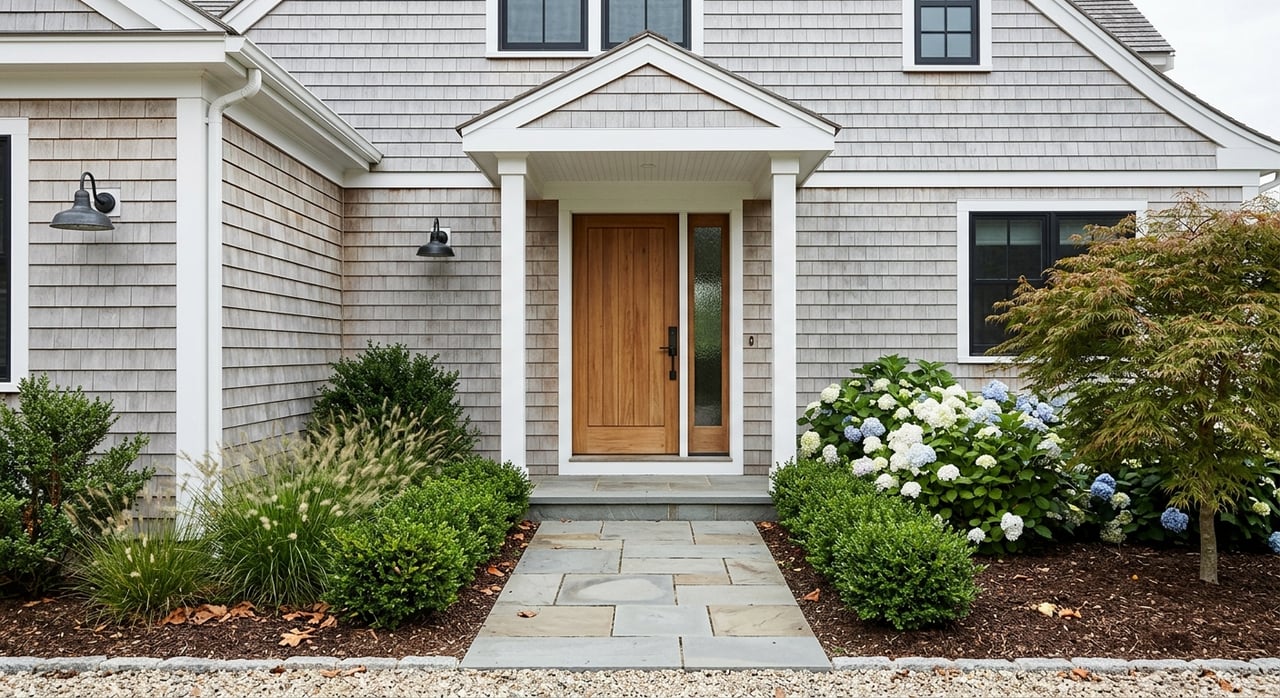
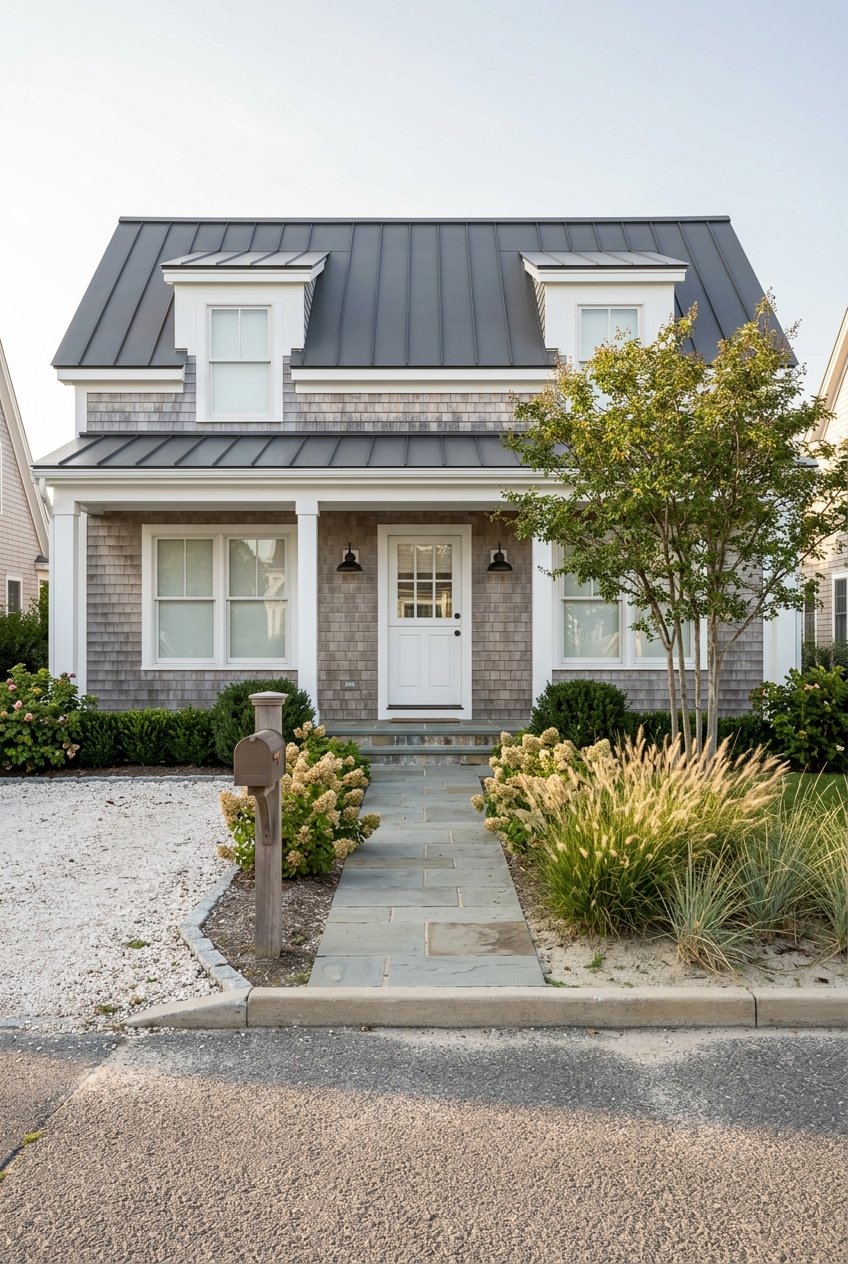
If you are considering a move or sale in Hampton Bays, it helps to understand that the housing character near the water is not one-note. The local story includes classic cottages, renovated properties, and newer waterfront development. That mix gives the area visual interest and creates a range of lifestyle possibilities.
The Town of Southampton’s revitalization plan noted that new development could resemble a summer cottage community, while also describing how former waterfront hotels had been repurposed into longer-term housing before later renovation and tourism reinvestment. Canoe Place is one example of that historic-meets-updated character, with renovated rooms, cottages, and waterfront residences.
Local reporting also points to a varied shoreline housing mix, including vacant canal-front cottages, renovated guest cottages, and waterfront condo development with dock space. While that is not a formal inventory, it supports a reasonable view of Hampton Bays as a place where older coastal character and updated waterfront living exist side by side.
Coastal living comes with practical planning
Part of understanding everyday waterfront living is recognizing that beauty and practicality go together. In Hampton Bays, waterfront life includes an adaptation mindset as well as a lifestyle appeal. That is especially relevant if you are buying or preparing to sell a waterfront or near-water property.
The town’s revitalization plan notes chronic flooding concerns along Dune Road and describes elevation work intended to address them. It also highlights redevelopment standards that emphasize flood construction, waterfront buffering, and sustainable materials.
That does not take away from the appeal of the area. If anything, it gives you a clearer picture of what smart coastal living looks like here. The strongest view of Hampton Bays is not just that it is beautiful by the water, but that recreation, dining, boating, and flood-aware planning all help shape how people live.
Why Hampton Bays stands out
Hampton Bays offers something many waterfront communities strive for but do not always achieve. It blends scenic shoreline access with practical day-to-day use. You have ocean beach time at Ponquogue, calmer bay access at Meschutt, canal-side marinas, public parks, and waterfront restaurants that feel woven into local life.
For buyers, that can mean a more grounded version of East End living. For sellers, it helps explain why Hampton Bays continues to attract interest from people looking for both lifestyle and usability. The waterfront here is not only a backdrop. It is part of what makes the hamlet function.
If you are thinking about buying or selling in Hampton Bays, working with someone who knows the area at a local level can make all the difference. As a Hampton Bays native, Bridget Terry brings thoughtful guidance, strong market insight, and a calm, strategic approach to East End real estate.
FAQs
What does everyday waterfront living in Hampton Bays actually mean?
- It means the waterfront is part of daily life through beach access, boating facilities, canal-side parks, and waterfront dining, not just an occasional seasonal attraction.
What are the main waterfront areas in Hampton Bays?
- Hampton Bays is shaped by the Shinnecock Canal, Shinnecock Bay, Great Peconic Bay, and the Atlantic shoreline.
What is the difference between Ponquogue Beach and Meschutt Beach in Hampton Bays?
- Ponquogue Beach is the main oceanfront access point, while Meschutt Beach County Park offers calmer bay water with activities like kayaking, sailing, and windsurfing.
Is boating a big part of life in Hampton Bays?
- Yes. Public launches, fishing access, marina services, dock slips, and canal activity all point to boating being part of the area’s regular infrastructure.
What kind of waterfront housing character does Hampton Bays have?
- The area appears to include a mix of classic cottages, renovated properties, and newer waterfront development, reflecting both historic coastal character and updated living.
Are there practical concerns to know about with waterfront living in Hampton Bays?
- Yes. Town planning documents note flooding concerns in some areas, including along Dune Road, and emphasize approaches such as elevation work, flood-conscious construction, buffering, and sustainable materials.