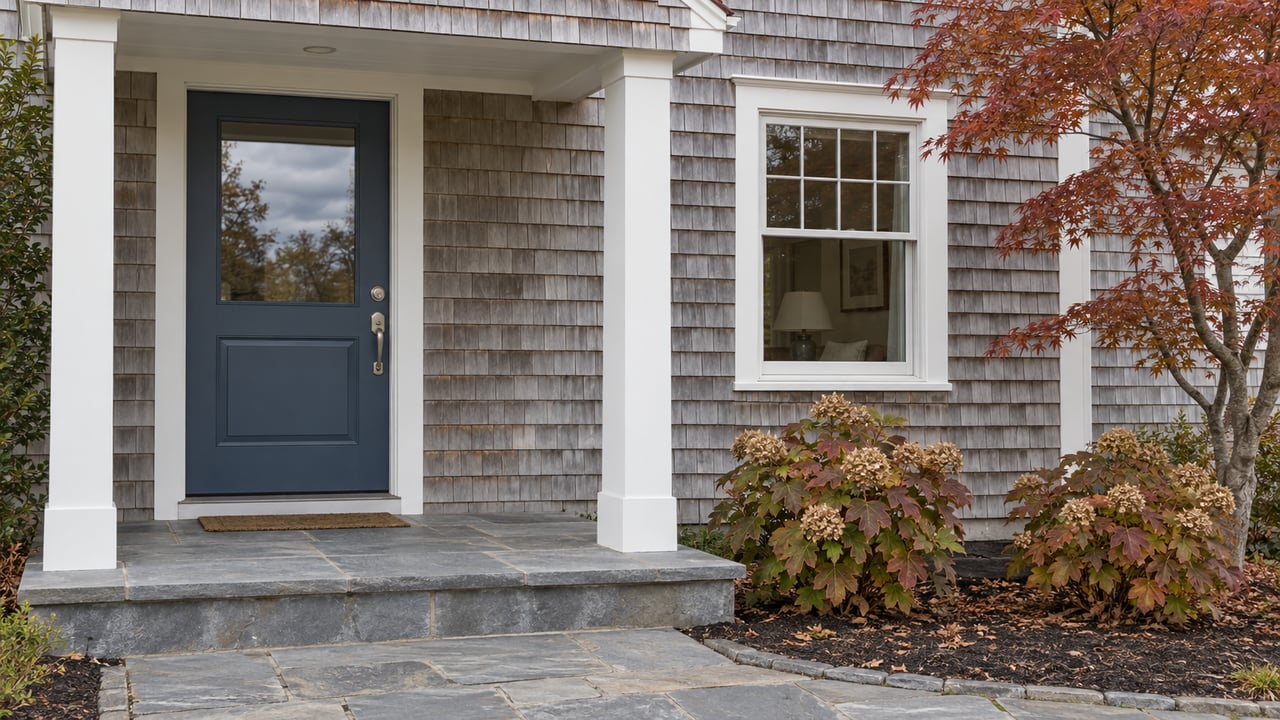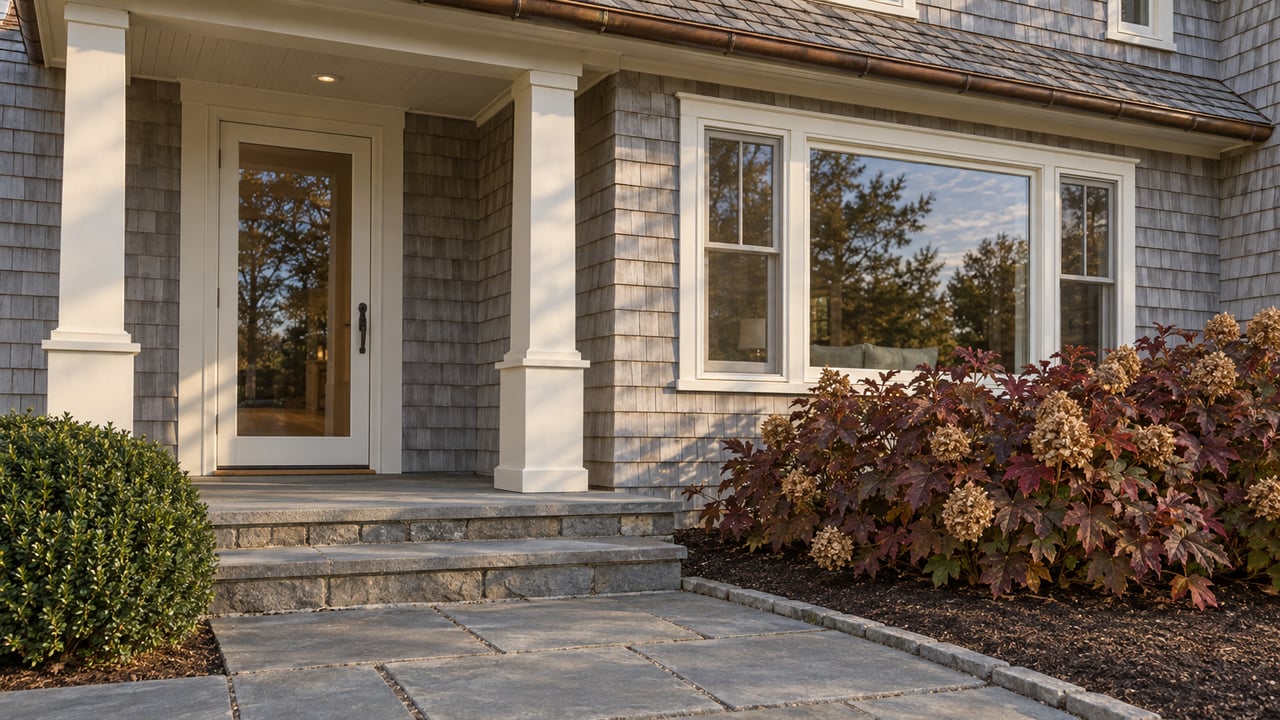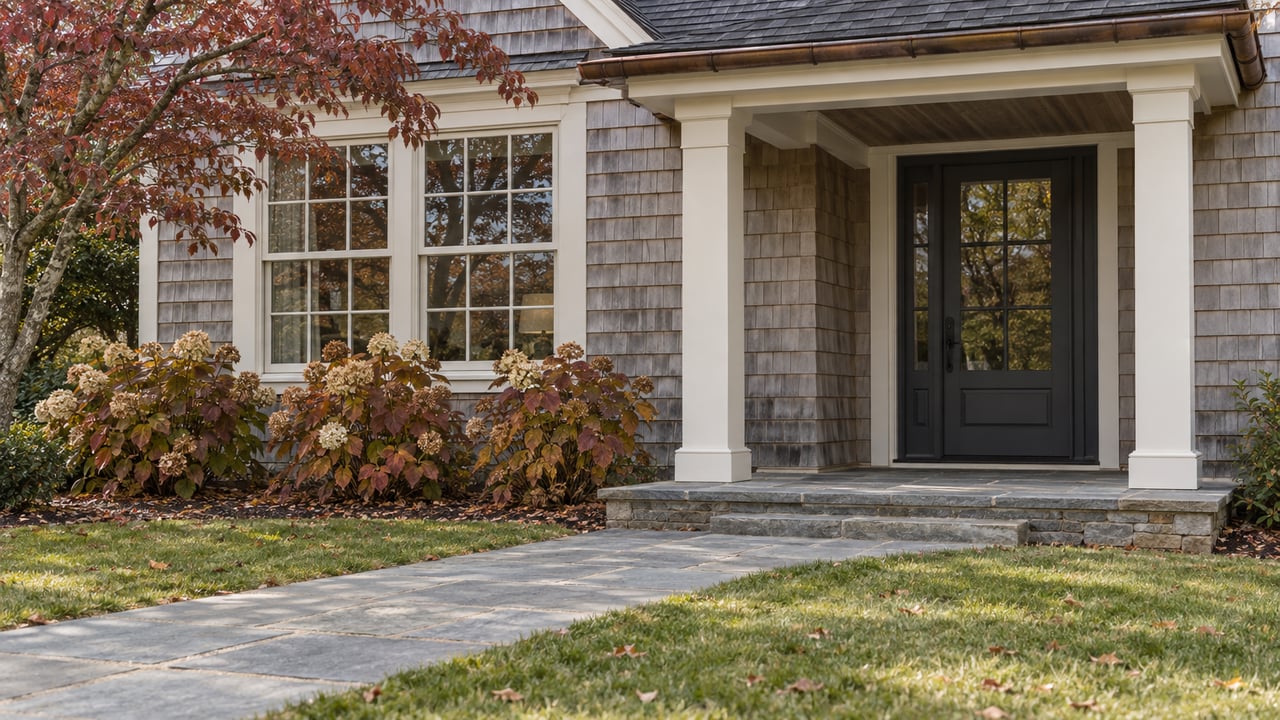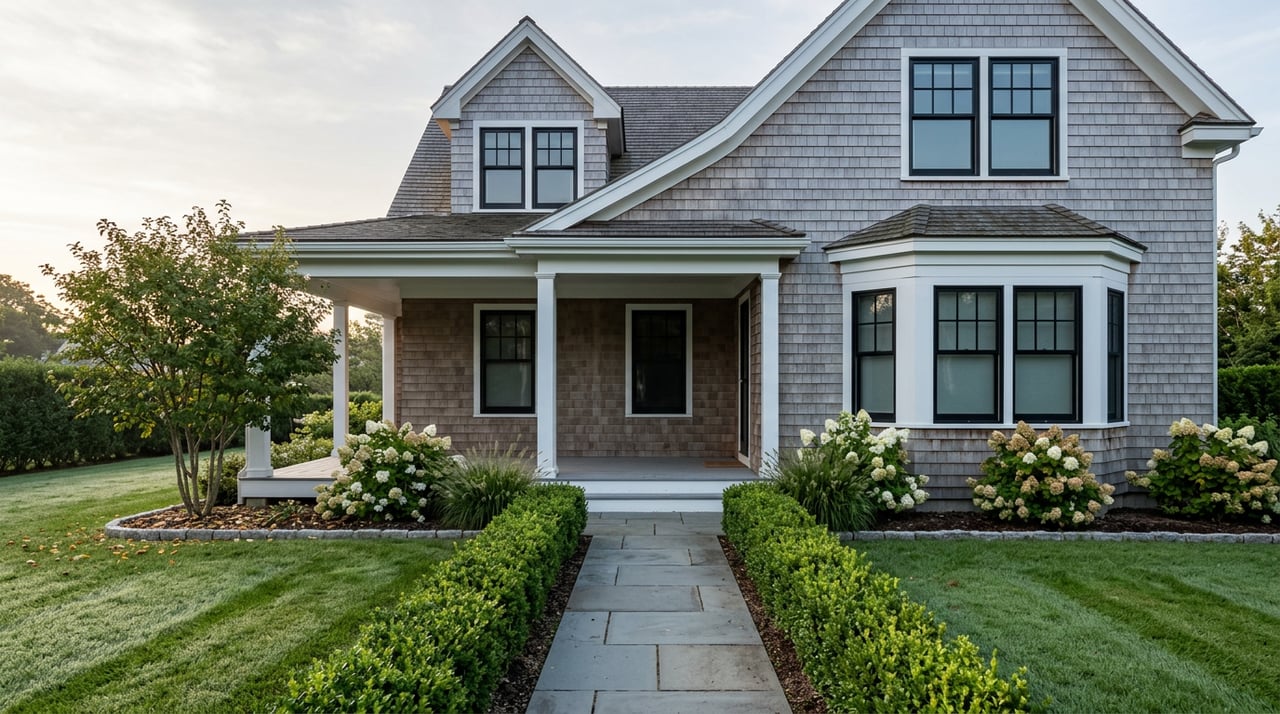
Picture two nearly identical shingle-style houses on the same block in Westhampton Beach. Same four bedrooms, same distance to the ocean, same asking price range, same online rental estimate pulled up on a phone during a Saturday tour. A buyer runs the math on both, pencils in a summer of rental income to help justify the purchase, and assumes the number holds for either house.
It does not. One of those houses sits inside the incorporated Village of Westhampton Beach, where the village code requires a summer rental permit, and Dan's Papers reports a maximum of 120 rental days between May and September. The other sits just outside the village line, in unincorporated Southampton Town, where STR Profit Map reports a two-week minimum stay. Nothing about the exterior, the listing photos, or the neighborhood name tells you which house you are looking at. The rental income a buyer assumes from a comp two doors down may simply not be legally available to them.
Why This Is Getting Attention Right Now
This split between village and town rental rules is not new, but it became a live public argument this past summer. In late July 2026, Dan's Papers reported on a rental cap fight in nearby West Hampton Dunes, where the village amended its rental law after a resident described roughly 15 rentals on a neighboring property in a single season, most week-long, some barely a weekend, none meeting the required two-week minimum. In laying out the comparison, the reporting noted that Westhampton Beach Village caps homeowners at a total of 120 rental days between May and September, and that Dering Harbor prohibits transient rentals outright, permitting only seasonal leases.
The dispute in West Hampton Dunes was about noise, parking, and quality of life. But it put a number on something buyers rarely think to ask about before they write an offer: exactly how many days a house is legally allowed to earn money, and who enforces that limit.
What the Village Actually Allows
Inside the Village of Westhampton Beach, the zoning code treats a summer rental as a defined, permitted use, not an assumed right that comes with ownership. The village code sets the summer rental season as May 1 through September 30 each year, and requires a rental permit before any one or two-family dwelling can be occupied as a summer rental during that window, according to the village's own municipal code. The permit expires on the last day of the stated rental period, meaning a homeowner cannot simply file once and rent on and off all season without matching each occupancy to the paperwork on file.
Southampton Town, which governs the unincorporated areas around the village, runs on a different structure. According to a regional short-term rental regulation review, Southampton Town imposes a two-week minimum stay requirement, a meaningfully different economic model than the village's day-count cap. A house under town jurisdiction cannot legally do the kind of weekend or few-day turnover that some village-adjacent properties can plan around within their 120-day allowance
Village or Town: The Line Isn't Where You'd Guess
The Village of Westhampton Beach's own building department fields this question often enough that it is written into their public FAQ: property owners are told to check the zoning map for their specific street, because mailing address alone does not indicate jurisdiction. The village line runs down Dune Road itself, ending at 531 Dune Road, with everything beyond that point falling under Town of Southampton rules rather than village code. A similar pattern plays out on side streets throughout the area, where a boundary can run mid-block rather than along an obvious landmark.
The same FAQ answers a second question that matters just as much to a rental-income buyer: any transfer of title in the village requires an updated Certificate of Occupancy. That means a buyer relying on a seller's rental history to underwrite future income should also confirm the CO reflects the layout being rented.
Here is how the two systems compare on paper:
| Village of Westhampton Beach | Southampton Town (unincorporated) | |
|---|---|---|
| Rental season | May 1 to September 30 | |
| Rental structure | 120 total rental days, permit required per rental period | Two-week minimum stay per rental |
| Title transfer | Updated Certificate of Occupancy required | Governed by town building and rental permit rules |
What to Confirm Before You Assume the Rental Income
A rental estimate from a portal or a friendly comp is a starting point, not a legal answer. Before a rental-motivated offer goes in, it is worth confirming:
- Whether the property sits inside the Village of Westhampton Beach or in unincorporated Southampton Town, checked against the current zoning map rather than assumed from the address
- Whether the seller's rental permit history matches what a buyer intends to do with the property, especially if the plan involves more turnover than the seller's own pattern
- Whether the certificate of occupancy on file reflects the bedroom count being marketed
- Whether a pending purchase will trigger the village's title-transfer CO requirement, and how long that process typically takes before closing
None of this shows up in a headline rental estimate. It shows up in the building department's records and the zoning map, which is exactly why it gets missed until a buyer is already under contract.
The Number Behind the Number
The lesson from the West Hampton Dunes dispute is not really about that one village. It is a reminder that rental caps in this part of the East End are enforced, actively discussed, and specific to jurisdiction rather than to a neighborhood's general reputation. A rental income projection built on a single comp, without confirming which set of rules that comp actually operates under, is a projection built on an assumption rather than a fact.
For a buyer weighing a Westhampton Beach purchase partly on expected rental income, the more useful question is not "what does a similar house rent for" but "what is this specific house legally permitted to do." Those two answers can diverge by a meaningful number of rental days and a real dollar figure, all without a single detail changing about the house itself.
A Few Direct Answers
How do I find out whether a specific address is in the village or the town? Check the current zoning map maintained by the Village of Westhampton Beach Building Department, which is the reference the village itself points residents to when the mailing address does not make the jurisdiction obvious.
Does the village's 120-day cap include days the owner uses the house personally? The cap applies to days the property is rented under a summer rental permit, tied to the May 1 through September 30 season defined in village code. Personal use outside a rental agreement is a separate question from the permitted rental days themselves.
Rental potential is one piece of a much larger picture in this market, and it is easiest to evaluate correctly with someone who already knows which side of the line a given address falls on. If you are weighing a Westhampton Beach purchase with rental income in mind, or preparing to sell a property with rental history of your own, Bridget Terry can walk through what a specific address actually allows before you write an offer or set a price. Let's Connect.
This article is general information, not legal, tax or financial advice. Consult a qualified professional about your situation.