Looking for a Hamptons-area community that feels livable in January, not just in July? East Quogue offers that balance. If you want coastal access, a quieter residential setting, and a true year-round rhythm, this hamlet gives you a more grounded side of the East End. Let’s take a closer look at what daily life here really feels like.
East Quogue at a Glance
East Quogue is a hamlet and census-designated place in the Town of Southampton in Suffolk County. The Town places it between Flanders, Hampton Bays, Quogue and Shinnecock Bay, and Westhampton, with part of the hamlet extending onto the barrier island south of Shinnecock Bay.
What stands out most is its overall pattern. Town planning documents describe East Quogue as low-density and largely single-family, with large lots, narrow disconnected roads, and a modest commercial stretch along Montauk Highway. That layout shapes the year-round experience in a big way.
According to 2020 Census QuickFacts, East Quogue had 5,557 residents, with 78.8% owner-occupied housing. The same data shows a median household income of $93,710, a median gross rent of $2,327, a median owner-occupied home value of $844,100, and a mean commute of 29.2 minutes. Taken together, those numbers suggest a settled residential community, not a place that empties out completely after summer.
Year-Round Living Feels Residential
If you picture East Quogue as a busy resort center, the reality is a bit different. It reads more like a residential hamlet with a small local core than a shopping-focused village. The Town notes that commercial uses along Montauk Highway are concentrated and mostly food-oriented.
That can be a real advantage if you prefer a calmer home base. You are not stepping into a dense downtown environment. Instead, you get a community where daily life tends to revolve around home, local routines, bay and beach access, and a slower East End pace.
For many year-round residents, that is the appeal. East Quogue feels connected to the broader Hamptons area, but it keeps a quieter identity of its own.
What Daily Amenities Look Like
East Quogue has practical local amenities, but they are modest and community-centered. The East Quogue Village Green is one of the clearest examples. The Town describes it as a 3-acre neighborhood park with a playground, walking track, gazebo, pavilion, picnic tables, benches, and restrooms.
It is also used for special events and concerts, which adds to the sense of local life beyond the summer season. This kind of gathering space matters in a year-round community because it gives residents a familiar place to return to in every season.
There is also a visible civic rhythm here. The East Quogue Citizen Advisory Committee meets monthly at the Bay Ave Marina Building, reflecting ongoing local participation and engagement. That may not be the first thing buyers ask about, but it says a lot about whether a place functions as a real community all year.
Beach and Bay Access Stay Part of Life
One of the biggest benefits of living in East Quogue year-round is that water access is not just a summer perk. It stays woven into everyday life. Even in the off-season, being near the bay, preserve land, and oceanfront areas shapes how the hamlet feels.
Hot Dog Beach, also known as Triton Beach, is East Quogue’s oceanfront beach facility. The Town says it includes parking, showers, ADA access, and lifeguard-supervised use. For residents, that means beach time can be part of your routine when weather allows, rather than a special destination trip.
Pine Neck Marine Preserve adds another layer to the lifestyle. It offers trails, dock slips, and views along the Shinnecock Bay coastline. East Quogue Marina at Bay Avenue also provides seasonal slips, and nearby Meschutt Beach County Park in Hampton Bays adds more bay access with supervised bathing, kayak rentals, a food concession, and playgrounds.
That combination helps East Quogue feel active and coastal without needing to be crowded. If you enjoy being near the water in a practical, everyday way, this is one of the hamlet’s strongest year-round advantages.
Getting Around Is Mostly by Car
East Quogue is best suited to people who are comfortable driving. Town documents note that Old Country Road and Montauk Highway converge here, and that the street pattern lacks the connectivity that usually supports easy car-free movement.
In plain terms, this is not a highly walkable village-style environment. You can enjoy local destinations, but for day-to-day errands and broader access across the East End, a car is typically part of the lifestyle.
That said, commuting options do exist nearby. For rail travel, residents generally use nearby Montauk Branch stations rather than an East Quogue station. The MTA’s South Fork Commuter Connection allows riders to park at Speonk, Westhampton, or Hampton Bays and continue east with shuttle connections to Southampton, Bridgehampton, Amagansett, and Montauk.
Hampton Bays station is ADA accessible, has ticket machines, and connects with Suffolk County Transit. Suffolk County Transit operates 26 fixed routes and 2 on-demand zones seven days a week, 365 days a year. So while East Quogue is car-oriented, regional connections are still available.
Housing Has Character, Not One Uniform Look
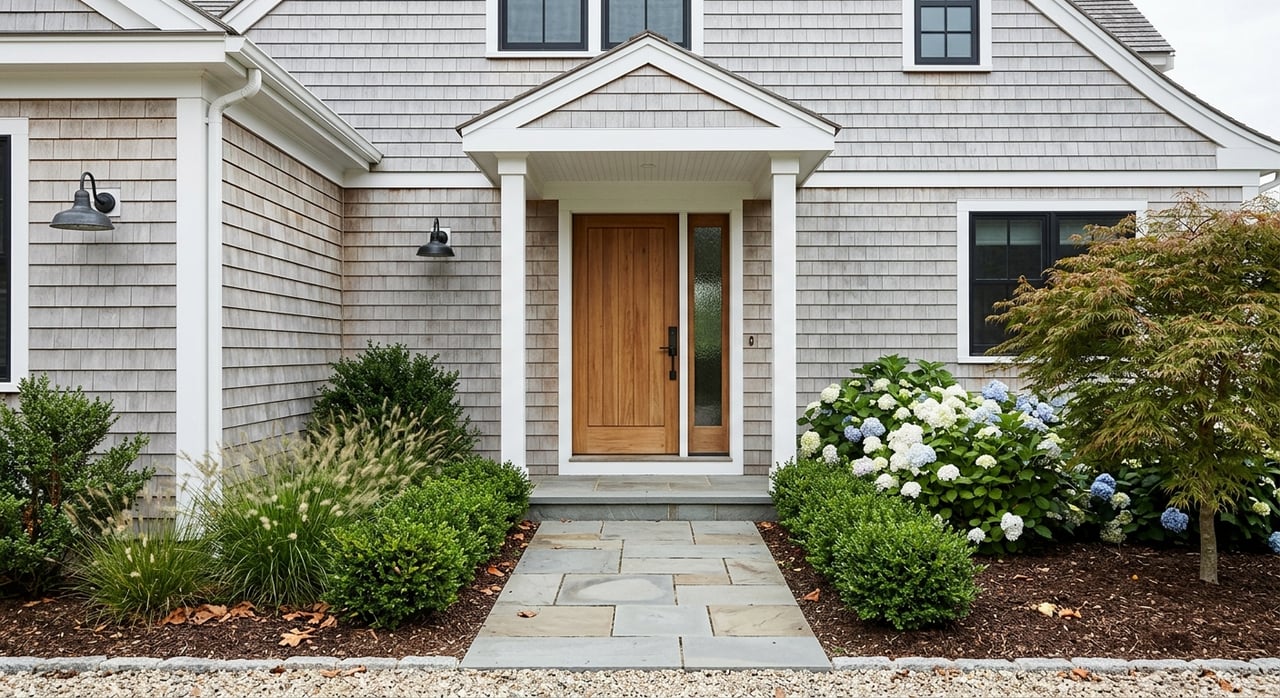
Part of East Quogue’s appeal is that it does not feel like one repeating subdivision. The hamlet has distinct residential pockets and a range of housing styles that reflect its history.
The East Quogue Hamlet Heritage Area report identifies historic residential clusters around Montauk Highway, Bay Avenue, West End Avenue, Willow Shade Avenue, and Weesuck Avenue. Homes in these areas range from 19th-century farmhouses to Queen Anne, Shingle, bungalow, and early summer-home styles.
Historic references to Pine Neck and Oakville also help explain why different parts of East Quogue feel different from one another. Some areas feel more traditional and rooted in the hamlet’s older development pattern, while others reflect a more coastal or natural setting.
On the barrier island, Dune Road cottages were historically associated with hunters, fishermen, and boarding-house guests. That history aligns with the looser, more shoreline-oriented feel of those pockets today. On the bay side, Pine Neck combines preserve land, marina uses, and Shinnecock Bay exposure, creating a more natural and less built-out atmosphere.
For buyers, this matters because East Quogue is a micro-market. The feel of one pocket can be very different from another, even within the same hamlet.
Development Is More Selective Than Broad
East Quogue does continue to evolve, but current planning records suggest a pattern of selective redevelopment and new construction rather than large-scale tract growth. Town planning pages list East Quogue applications tied to specific sites, including Dune Road, Shinnecock Shores, and subdivision matters.
That fits the hamlet’s longer development story. Instead of feeling overrun by broad expansion, East Quogue tends to change in smaller, site-specific ways. For buyers and sellers, that can make local property-level knowledge especially important.
It also reinforces why broad assumptions do not always work here. Street, setting, lot characteristics, and proximity to water or preserve areas can all influence how a property lives and how it is perceived in the market.
Schools and Family Logistics
For those planning around school logistics, East Quogue Elementary serves grades K through 6 and reports serving about 400 students. District materials also state that secondary education is provided by Westhampton Beach Union Free School District on a tuition basis.
As with many East End decisions, practical routines matter. Understanding your daily drive, activity schedule, and how you move through nearby hamlets can be just as important as understanding the map.
Who East Quogue Fits Best
East Quogue tends to work well for people who want a coastal residential setting with a quieter pace. You may be drawn to it if you want access to beaches, boating, and bayfront nature, but do not need a dense downtown at your doorstep.
It can also appeal if you value a community that feels established and lived-in year-round. The owner-occupied housing pattern, local gathering spaces, and steady civic participation all support that impression.
The tradeoff is convenience in the urban sense. You are choosing a more car-dependent lifestyle and a smaller commercial core. For many buyers, though, that is exactly what helps East Quogue feel like a true East End home base.
Why Local Insight Matters Here
East Quogue is easy to generalize from the outside, but living here year-round is really about the details. One block may feel historic and tucked away, while another may feel more open, coastal, or connected to preserve land. The best fit often comes down to how you want your day-to-day life to feel.
That is why hyperlocal guidance can make such a difference, especially if you are relocating, buying a second home with year-round use in mind, or comparing East Quogue with nearby hamlets like Hampton Bays, Quogue, or Westhampton. The market may look small on paper, but the lifestyle differences within it are meaningful.
If you are considering a move to East Quogue or wondering how this hamlet compares with nearby East End communities, Bridget Terry can help you evaluate the options with local perspective and a calm, strategic approach.
FAQs
What is East Quogue like in the winter?
- East Quogue remains a lived-in residential hamlet during the winter, with owner-occupied housing, local civic activity, and everyday access to parks, bay areas, and nearby services.
Is East Quogue a seasonal or year-round community?
- Census and Town information point to East Quogue being a settled, mostly owner-occupied coastal community rather than a purely seasonal area.
Is East Quogue walkable for everyday errands?
- East Quogue is generally car-oriented, with narrow disconnected roads and a modest commercial core, so most residents rely on driving for daily routines.
What types of homes are found in East Quogue?
- East Quogue includes a mix of older farmhouses, Queen Anne, Shingle, bungalow, early summer-home styles, and coastal-area homes in distinct residential pockets.
Does East Quogue have beach access for residents?
- Yes. East Quogue includes Hot Dog Beach, also called Triton Beach, and also offers access to bayfront and marine areas such as Pine Neck Marine Preserve.
Are there train options near East Quogue?
- Yes. Residents typically use nearby Montauk Branch stations such as Hampton Bays, Westhampton, or Speonk, along with the South Fork Commuter Connection for eastbound travel.